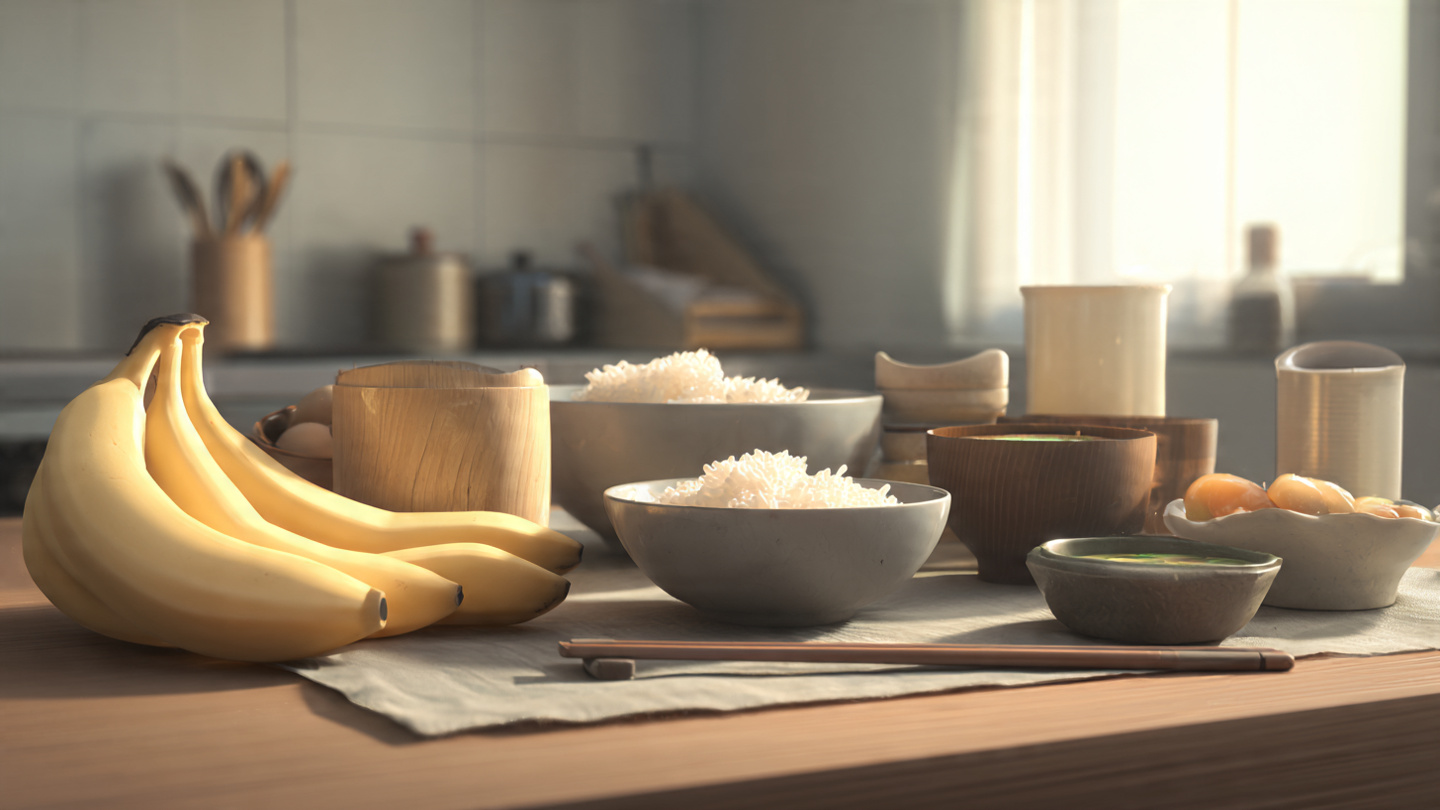
Managing colitis often requires careful attention to diet. This guide explains what to eat and avoid for easing colitis symptoms, focusing on foods that may reduce inflammation, support digestion, and help calm flare-ups. It also covers common trigger foods and long-term dietary adjustments that many people explore to manage symptoms more consistently.

How Diet Affects Colitis Symptoms
Colitis causes inflammation in the colon, making digestion more sensitive. Certain foods may worsen symptoms by irritating the gut lining, while others are easier to digest and help reduce strain during flare-ups.
Dietary needs often shift between active flares and remission. Foods tolerated during remission may not be suitable during severe symptoms, which is why flexibility and observation are important.
Foods That May Help Reduce Colitis Symptoms
Anti-inflammatory and easy-to-digest foods are often emphasized when symptoms are active. These foods are commonly discussed for easing discomfort and supporting gut healing. Helpful food choices may include:
- Soft, low-fiber fruits such as bananas or applesauce
- Well-cooked vegetables like carrots, squash, or peeled potatoes
- Plain rice, oatmeal, or refined grains during flare-ups
- Lean proteins such as eggs, fish, or skinless poultry
- Fermented foods in small amounts, depending on tolerance
These foods are often chosen because they are gentle on digestion and less likely to trigger cramping or urgency.
Foods to Avoid During a Colitis Flare-Up
Searches for “foods to avoid during colitis flare up” usually point to the same clusters: high insoluble fiber, high fat, high sugar alcohols, and certain fermentable carbohydrates. These foods do not harm everyone, but they can intensify cramps, gas, or stool urgency in susceptible individuals—especially when inflammation is active. Commonly limited during flares:
- High-roughage raw vegetables (salads, cabbage, broccoli stems): The texture can be difficult to handle when the bowel is sensitive.
- Nuts, seeds, popcorn: These are nutritious in general, but their hard particles may be uncomfortable during active symptoms.
- Greasy or fried foods: Higher fat can speed intestinal transit for some people and may worsen urgency.
- Spicy foods and strong acids (hot peppers, heavy citrus): These can irritate the gut lining for some, though tolerance is individual.
- Alcohol and high caffeine: These may aggravate diarrhea, disrupt sleep, and complicate hydration.
Hidden trigger foods for colitis sufferers are often “hidden” because they appear bland or healthy but contain ingredients that can ferment or pull water into the gut. Examples include:
- Sugar alcohols (sorbitol, xylitol, mannitol in “sugar-free” gum/candy): These can worsen diarrhea in some people.
- Inulin/chicory root fiber in protein bars or “gut health” snacks: These fibers can increase gas and bloating for sensitive individuals.
- High-lactose dairy (regular milk, ice cream): Lactose intolerance can coexist with IBD, especially during flares.
- Very high-fructose items (some sweetened beverages, large servings of apples/pears): These can be harder to absorb for some.
Because triggers are individualized, clinicians often suggest a short-term, structured approach rather than endless restriction. That may include a temporary symptom-focused menu and a plan to reintroduce foods to protect nutrition and quality of life.
Takeaway: While it’s common to label foods as universally “bad,” the real tradeoff is that the same ingredient can be harmless for one person and a major trigger for another, so tracking patterns matters more than broad rules.
Eating After a Colitis Attack Subsides
When symptoms begin to improve, foods are often reintroduced gradually. The goal during this phase is to expand variety while monitoring tolerance. Many people focus on:
- Slowly adding fiber in cooked or blended forms
- Continuing anti-inflammatory foods
- Eating smaller, more frequent meals
Frequently Asked Questions About Colitis and Diet
What are the best anti-inflammatory foods for ulcerative colitis?
Soft fruits, cooked vegetables, lean proteins, and simple grains are often discussed as gentler options.
What foods should I avoid during a colitis flare-up?
High-fiber, spicy, fried, and heavily processed foods are commonly avoided during active symptoms.
Is a low FODMAP diet helpful for colitis?
Some people report symptom improvement, but results vary and personalization is important.
Are probiotic foods better than supplements for colitis?
Both are used. Tolerance differs, and some people prefer food-based sources while others use supplements.
Can diet alone manage colitis long term?
Diet plays a major role, but colitis management often involves multiple approaches depending on severity.
Conclusion: Understanding what to eat and avoid for easing colitis symptoms helps create a more predictable and manageable routine. Gentle, anti-inflammatory foods may reduce discomfort during flare-ups, while avoiding known trigger foods helps prevent symptom escalation. Over time, thoughtful dietary adjustments and careful reintroduction of foods can support better digestion and long-term symptom control.