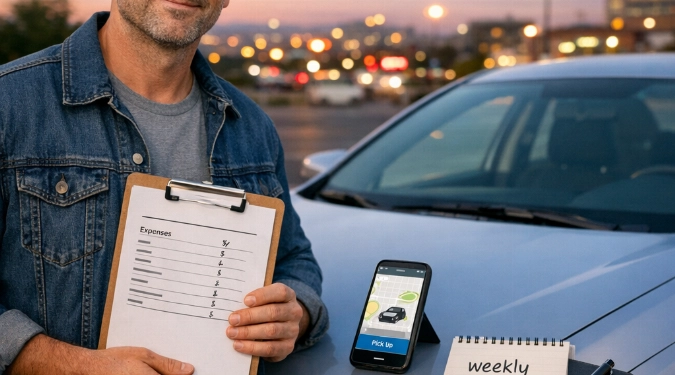
Rent-and-own paths can help Uber drivers start earning with a rental vehicle and then move toward ownership once weekly costs and driving patterns are predictable. This article explains how Uber’s rental ecosystem may support a future purchase, compares rentals, leases, and rent-to-own structures, and outlines the key vehicle eligibility checks that keep a car platform-ready. It also breaks down the real weekly cost categories to review, what “no deposit” rentals can still charge in fees, and the practical questions to ask before signing any agreement.
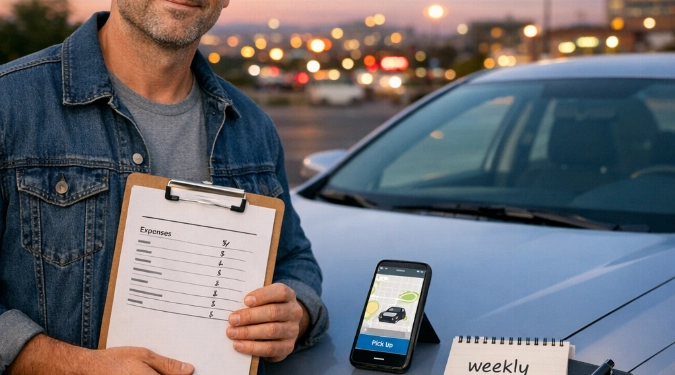
Driving with Uber can feel like a catch-22: you need a reliable car to earn, but you may need steady earnings to afford a reliable car. “Rent and own” paths try to bridge that gap by letting you start in a rental and potentially work toward owning a vehicle you can keep driving.
How Uber Rental Programs Can Lead To Ownership
Uber’s in-app Vehicle Marketplace (availability varies by city) may show rental partners and, in some markets, options that resemble lease-to-own or purchase pathways through third parties. The practical idea is simple: rent a qualifying vehicle, learn your weekly driving rhythm, and then decide whether a longer-term arrangement makes sense once you can forecast earnings, expenses, and downtime.
Ownership is not automatic with rentals. The “lead to ownership” part typically comes from using the rental period to stabilize income, build a driving history, and gather documentation that lenders or rent-to-own providers often require (like proof of income and insurance history).
Common Pathways From Renting To Owning
Most drivers move from renting to owning through one of three routes: a standard auto loan, a lease, or a rent-to-own structure offered by certain dealerships or specialty fleets. Each route changes who holds title, how insurance works, and what happens if you stop driving.
| Path | How It Usually Works | What To Watch |
|---|---|---|
| Weekly Rental | Pay weekly; return anytime; maintenance may be included | High weekly cost; mileage rules; you build no equity |
| Lease | Fixed term; mileage limits; option to buy may exist | Wear-and-tear charges; early termination costs |
| Rent-To-Own | Payments may apply toward ownership after a term | Total paid can be higher; strict rules; repossession risk |
Vehicle Requirements And Eligibility
Before any “rent and own” plan works, the car must be eligible for your market and product (UberX, Comfort, XL, etc.). Uber’s rules vary, but typically include model-year limits, four doors, good condition, no salvage title, and passing an inspection. Rentals from approved partners often arrive pre-screened, but if you transition to a purchase, confirm the vehicle’s status in the app and keep inspection records current.
Rent-To-Own Car For Uber Financial Considerations
Rent-to-own can be convenient, but it’s essential to map the full weekly picture: rental or payment amount, insurance, fuel/charging, cleaning, maintenance not covered, and taxes. Many drivers also budget for “non-driving weeks” (illness, repairs, travel) because fixed payments do not pause just because you’re offline.
A practical way to compare options is to estimate your break-even point: how many trips (or online hours) you need each week just to cover the car cost. If your break-even is uncomfortably high, you may want to keep renting short-term while you build savings.
Rental Car For Uber Without Deposit Programs
Some rental partners and third-party fleets advertise lower upfront costs, sometimes described as Rental Car for Uber Without Deposit Programs. Terms vary widely: instead of a deposit, you may see higher weekly rates, stricter identity verification, required debit-card holds, or mandatory telematics tracking. Read the agreement for itemized fees (late returns, cleaning, toll processing, mileage overages) so “no deposit” doesn’t turn into surprise costs later.
Making The Transition To Ownership
Once you’ve tested your market and know your weekly numbers, you can move from rental to ownership with less guesswork. Making the Transition to Ownership often goes smoother when you bring clear documentation and a plan for vehicle downtime.
- Gather proof of income: recent statements, bank deposits, and a simple weekly budget.
- Compare total cost, not just the payment: include insurance and expected maintenance.
- Choose a car that stays eligible: prioritize common, durable models with easy parts availability.
- Build a repair buffer: even a small emergency fund can prevent missed payments.
Rent To Own Cars For Uber Arrangements: Questions To Ask First
Rent To Own Cars for Uber Arrangements can differ by provider, so ask direct questions before signing. Who holds the title during the term? Are payments reported to credit bureaus? What happens if the car needs major repairs? Is there a mileage cap, and how is excess mileage charged? If you leave the platform, can you still complete the purchase, or does the contract change?
FAQ
Can I Rent A Car Through Uber And Buy It Later?
Sometimes. In many areas, rentals are separate from purchases, but renting can still “lead to ownership” by helping you stabilize income and then qualify for a loan, lease buyout, or a dedicated rent-to-own provider.
Are Rental Costs Higher Than Owning?
Weekly rentals are often more expensive over time, especially if you drive year-round. They may still make sense short-term because they can include maintenance and allow you to stop quickly if driving doesn’t fit your schedule.
What Should I Check Before Switching From Rental To A Purchased Car?
Confirm the car meets Uber eligibility rules in your city, verify insurance requirements, and calculate break-even using your real driving history. Also check whether you’ll lose any rental-included benefits, like maintenance coverage or a replacement vehicle.
Do “No Deposit” Rentals Mean No Upfront Costs?
Not necessarily. Some programs reduce deposits but add other holds or fees. Review the agreement for payment timing, card requirements, mileage rules, and penalties so you can predict your true weekly cost.
Conclusion
“Rent and own” is really a sequence: rent to get on the road with a qualifying car, use that period to learn your numbers, then choose an ownership path that keeps your weekly break-even realistic. With clear vehicle eligibility checks and a full-cost comparison, Uber rental programs can be a stepping-stone to owning the car you drive.
Disclaimer: The information provided in this article is for educational and informational purposes only. It does not constitute professional advice. Readers should conduct their own research and consult with qualified professionals before making any decisions.