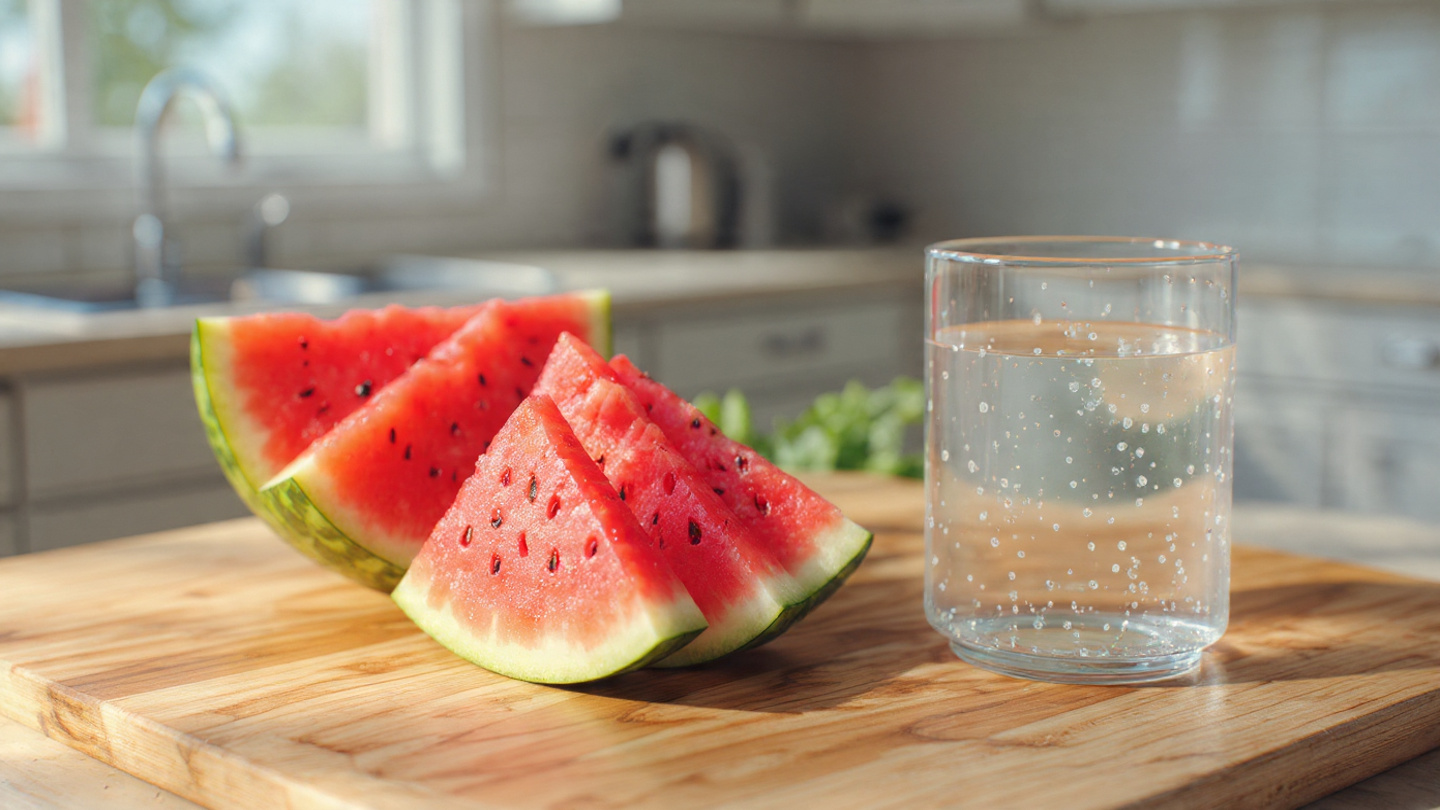
Watermelon is the daily superfruit often highlighted in natural detox discussions because of its direct role in hydration, kidney function, and waste elimination. This article explains how watermelon helps flush toxins naturally, why it supports the body’s detox organs, and how people incorporate it into whole-food cleanse routines without extreme detox methods.

Why Watermelon Earns the “Daily Superfruit” Label for Detox
Detox isn’t a magical purge—it’s the body’s ongoing work of filtering and removing waste through the kidneys, liver, gut, skin, and lungs. Watermelon supports that process in a practical way: it helps you stay hydrated, which is foundational for kidney filtration and healthy digestion. Reasons watermelon is frequently linked with detox support include:
- Very high water content (typically 90%+), which supports urine production
- Low sodium, helping reduce fluid retention and “puffy” feelings
- Antioxidants such as lycopene and vitamin C, often discussed for oxidative stress support
Because watermelon is gentle and easy to digest, it fits a daily routine better than harsh cleanses that can leave people tired or lightheaded.
How Watermelon Supports Kidney Health and Waste Removal
If there’s one organ system most associated with “flushing toxins,” it’s the kidneys. They filter blood, remove excess salts and metabolic waste, and send those wastes out through urine. When hydration is low, urine becomes more concentrated and the filtration process is less efficient. Watermelon supports kidney-related detox in a few straightforward ways:
- Increasing total fluid intake in a whole-food form
- Encouraging regular urination (a mild, food-based diuretic effect)
- Providing potassium, which supports fluid and electrolyte balance
This is why kidney-health messaging often pairs “hydration” with a fruit like watermelon: it makes drinking and eating water easier for people who struggle to stay hydrated.
Digestive Support: The Other Detox Path People Forget
Detox also depends on the digestive system. If bowel movements are infrequent, waste stays in the gut longer, which can worsen bloating and discomfort. Watermelon isn’t a high-fiber food, but it does contribute a small amount of fiber and, more importantly, it supports hydration—both of which can help regularity. People who add watermelon daily often describe:
- Less bloating after salty meals
- Easier digestion on hot days or after travel
- A lighter-feeling snack that replaces processed sweets
Those outcomes align with a hydration-first approach: support normal elimination rather than forcing a cleanse.
How to Make Watermelon a Simple Daily Habit
Watermelon works best as a consistent habit, not a once-a-month “reset.” Most people get the most benefit when they keep portions reasonable and treat watermelon as part of an overall whole-food pattern. Practical ways people use it include:
- Morning watermelon as a hydrating first food
- Midday snack instead of chips or candy
- Post-walk refreshment to replace fluids
If someone is watching sugar intake, portion size matters. A common approach is to pair watermelon with protein (like yogurt or nuts) to slow digestion and keep energy steadier.
Conclusion: Watermelon is the daily superfruit that supports natural detox by improving hydration, encouraging healthy kidney filtration, and supporting digestion as part of normal waste removal. As a simple, affordable daily habit, it helps people “flush toxins” in the realistic sense—by supporting the body’s built-in cleanup systems rather than relying on extreme cleanses.