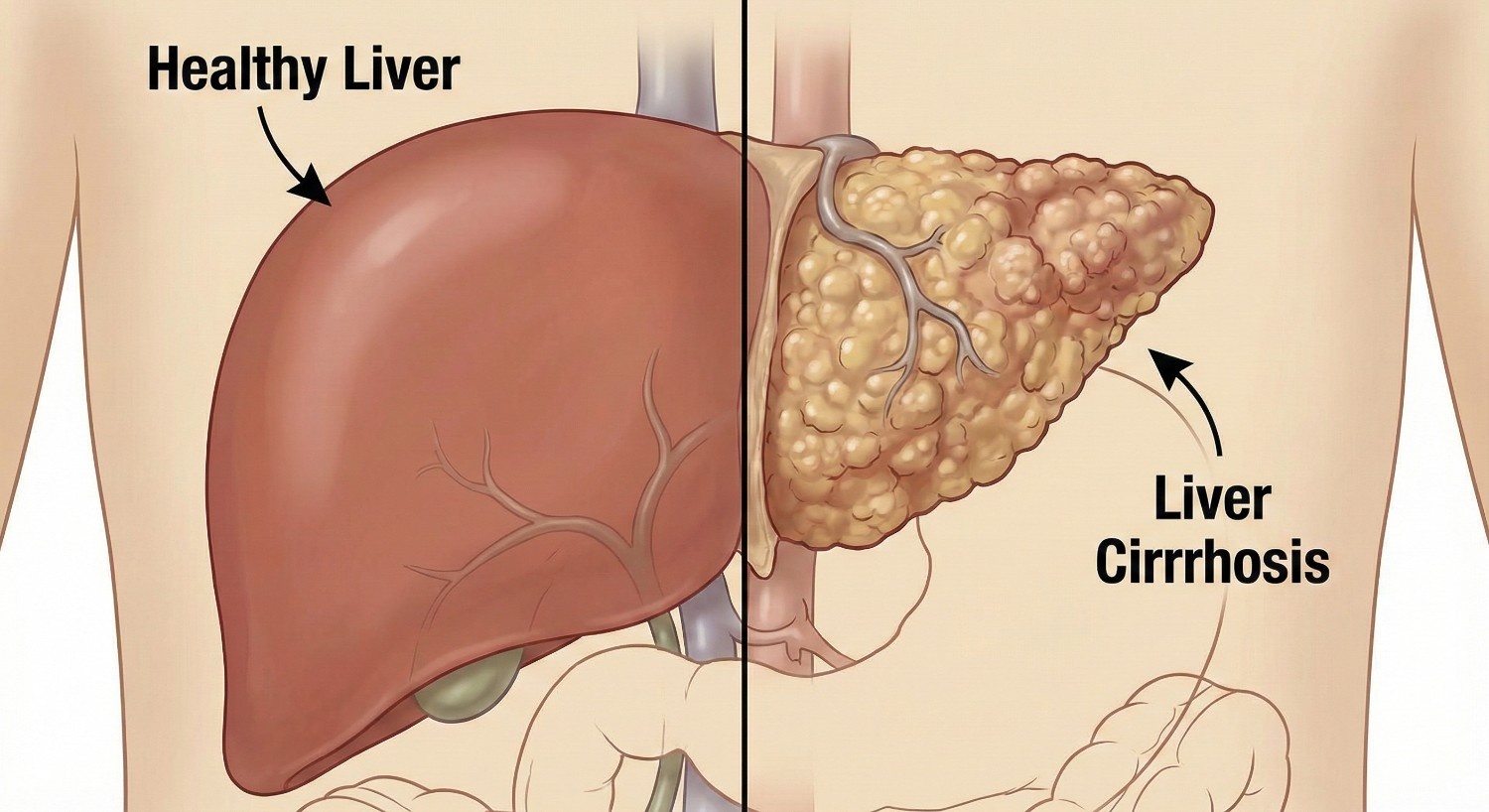
Liver cirrhosis is a progressive and serious condition characterized by the replacement of healthy liver tissue with scar tissue, which ultimately impairs liver function. Raising awareness about the common warning signs is crucial because symptoms often do not manifest until significant, irreversible damage has occurred. This guide outlines the essential indicators of cirrhosis of the liver, moving from subtle early signs to severe, advanced symptoms.
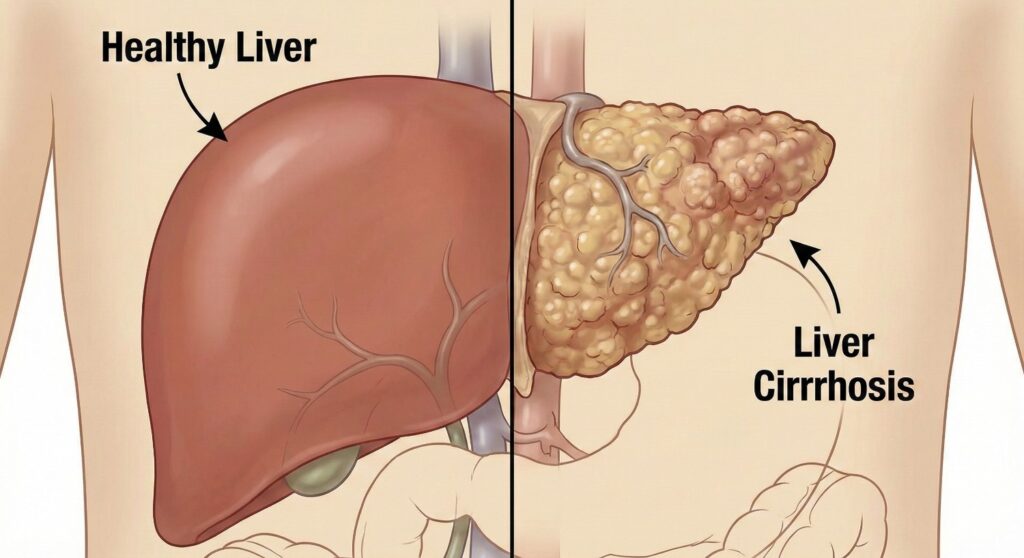
What Is Cirrhosis?
To understand the warning signs, it is necessary to first answer the question: What is cirrhosis? It is the late stage of progressive hepatic fibrosis (scarring). The liver becomes injured due to various long-term conditions, such as chronic alcohol use disorder, hepatitis B or C infections, or nonalcoholic fatty liver disease (often associated with obesity and diabetes in the USA). Every time the liver is injured, it attempts to repair itself, forming scar tissue in the process. Over many years, this built-up scar tissue blocks the normal flow of blood through the liver and inhibits its ability to process nutrients, hormones, drugs, and naturally produced toxins.
Early Warning Signs (Compensated Cirrhosis)
In the initial stages, known medically as compensated cirrhosis, the liver is heavily scarred but still has enough healthy cells to perform essential functions. Consequently, early signs of liver cirrhosis are often non-specific, mild, and easily mistaken for other less serious ailments. Many individuals remain undiagnosed during this phase because the clues are subtle.
Common early indicators include persistent fatigue and a general sense of weakness that does not improve with adequate rest. You might experience an unintentional loss of appetite leading to weight loss. Another frequent early sign is mild discomfort or a dull ache in the upper right side of the abdomen, directly where the liver resides. Nausea and occasional vomiting can also occur without a clear cause. Because these symptoms are vague, paying attention to their persistence is key.
Advanced Warning Signs (Decompensated Cirrhosis)
As liver damage continues and the organ can no longer function effectively, the condition progresses to decompensated cirrhosis. The symptoms of liver cirrhosis at this stage become much more distinct, severe, and alarming. These are critical warning signs that require immediate medical attention.
- Jaundice: This is one of the most recognizable signs, characterized by a yellowing of the skin and the whites of the eyes. It occurs because the damaged liver cannot process bilirubin, a waste product, causing it to build up in the blood.
- Fluid Retention (Edema and Ascites): The liver’s inability to produce albumin, a protein that holds fluid in blood vessels, leads to leakage. This results in swelling in the legs, ankles, and feet (edema), or a serious accumulation of fluid in the abdomen called ascites, which causes significant distension.
- Easy Bruising and Bleeding: A healthy liver produces proteins necessary for blood clotting. In cirrhosis, this production stops, leading to frequent nosebleeds, bleeding gums, or large bruises from minor bumps.
- Intense Itching: Known as pruritus, this intense itchy skin occurs without a visible rash, often due to bile products depositing in the skin.
- Cognitive Changes (Hepatic Encephalopathy): When the liver fails to filter toxins like ammonia from the blood, they can travel to the brain. This causes confusion, difficulty concentrating, memory problems, and changes in sleep patterns.
Seeking a Diagnosis
If you recognize any of these warning signs, particularly a combination of the advanced symptoms, consulting a healthcare professional is imperative. A formal liver disease diagnosis is typically achieved through a combination of methods. Your doctor will review your medical history and conduct a physical exam to check for liver enlargement or ascites. Blood tests will be ordered to assess liver function and check for clotting abnormalities. Imaging tests, such as an ultrasound, CT scan, or MRI, are used to visualize the liver’s texture and check for scarring. In some cases, a liver biopsy may be performed to confirm the diagnosis and determine the severity of the cirrhosis.
Frequently Asked Questions
Can damage from liver cirrhosis be reversed? Generally, the scar tissue formed during cirrhosis is permanent and cannot be reversed. The goal of treatment is to slow or stop the progression of the disease by addressing the underlying cause, such as abstaining from alcohol or treating chronic hepatitis. In early stages, some improvement in liver function is possible if the cause is removed.
Who is most at risk for developing cirrhosis in the USA? The primary risk factors impacting adults in the USA include chronic, excessive alcohol consumption over many years, chronic viral hepatitis infections (Hepatitis B and C), and Nonalcoholic Steatohepatitis (NASH), which is a severe form of fatty liver disease linked to obesity, diabetes, and high cholesterol.
Conclusion
Awareness is your best defense against the silent progression of liver disease. By familiarizing yourself with the common warning signs of liver cirrhosis—from vague initial symptoms like fatigue to severe indicators like jaundice and fluid retention—you can take proactive steps for your health. Heeding these critical cirrhosis clues enables earlier medical consultation and diagnosis, which is vital for managing the condition and protecting remaining liver function.