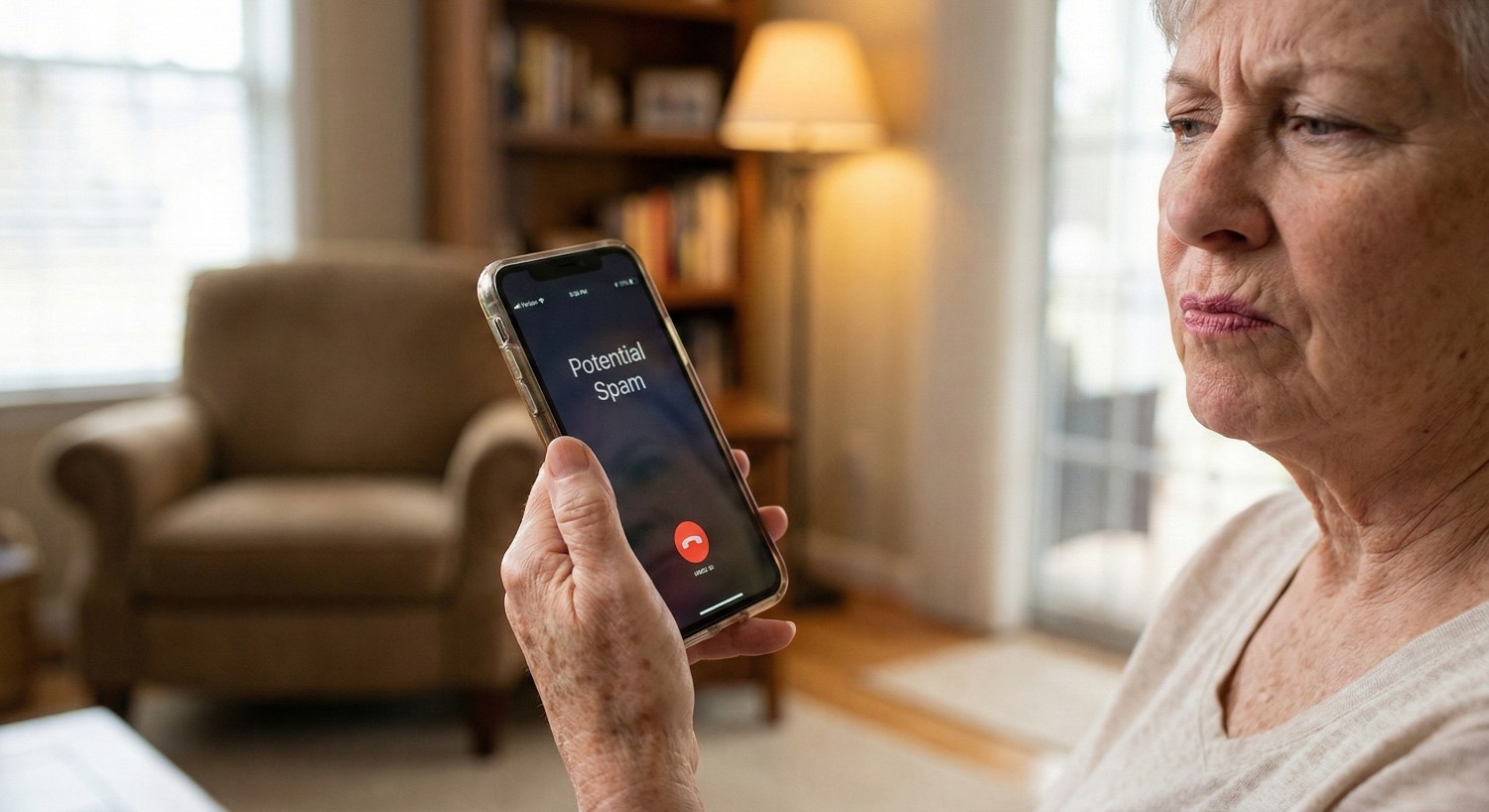
Phone scams targeting seniors have evolved into complex operations designed to exploit trust and steal life savings. Scammers use these common tricks because they perceive older adults as having more assets and being less tech-savvy. This guide details the latest phone scams going around—from the “Grandparent Scam” to government impersonations—giving you the knowledge to hang up with confidence.
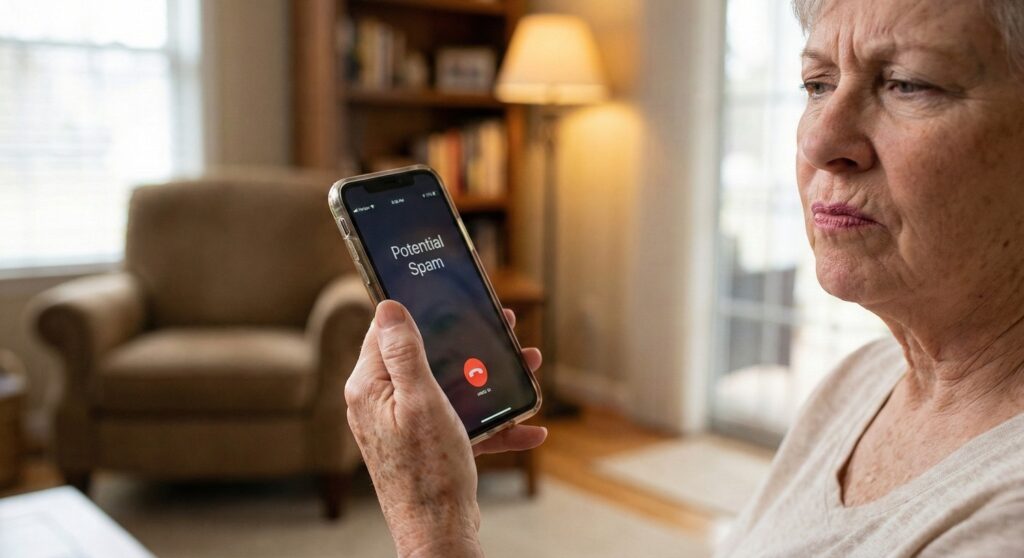
Understanding the Most Common Phone Scams
Knowledge is your best defense against fraud. Scammers rely heavily on psychology, creating a sudden sense of urgency, fear, or excitement to bypass your logical thinking. By familiarizing yourself with their specific playbooks, you can recognize the red flags immediately. Here are the four most prevalent scam phone calls impacting seniors today.
1. The Modern Grandparent Scam
This is a cruel and emotionally manipulative scheme that has been dangerously updated with new technology.
- How it Works: You receive a frantic phone call from someone who sounds exactly like your grandchild. They claim they are in deep trouble—perhaps arrested in a foreign country, in a car accident, or stuck in a hospital—and need money immediately for bail or medical bills. They will beg you, “Please don’t tell mom and dad.”
- The Latest Twist: Scammers are now using Artificial Intelligence (AI) to clone voices. By taking a short audio clip from a social media video, they can generate a realistic voice clone. The voice you hear might sound 100% authentic, making this specific senior guide to phone scams vital for modern families.
- Red Flags: The caller insists on secrecy and demands immediate payment through untraceable methods like wire transfers, cryptocurrency, or by asking you to read numbers off gift cards (like Google Play, Apple, or Target cards).
2. Government Impersonation Scams
Scammers love to impersonate official agencies to intimidate their victims, often manipulating Caller ID to make it look like the call is coming from Washington, D.C.
- Social Security Scam: A caller claims to be from the Social Security Administration (SSA), stating your Social Security number has been “suspended” due to criminal activity found in Texas or another state. They threaten arrest unless you pay a “reactivation fee.” Fact Check: The SSA will never call to threaten arrest or demand immediate payment.
- IRS Scam: The scammer pretends to be from the IRS, claiming you owe back taxes and must pay immediately to avoid jail time. They are aggressive and threatening. Fact Check: The IRS initiates contact through physical mail, never an unexpected phone call.
- Medicare Scam: A caller offers a “new” plastic Medicare card, free back braces, or genetic testing kits. To get these “benefits,” they ask you to verify your Medicare number, which they then use to bill the government fraudulently.
3. Tech Support Scams
This scam preys on the fear of viruses and reliance on computers.
- How it Works: You receive a cold call from someone claiming to be from a well-known tech giant like Microsoft, Apple, or Amazon. They claim they have detected a “serious virus” or “suspicious purchase” on your account. To fix it, they demand you grant them remote access to your computer or pay hundreds of dollars for useless security software.
- The Goal: Once they have remote access, they can install malware to steal bank passwords or lock your computer and demand a ransom.
- Red Flags: Legitimate tech companies do not call customers out of the blue to fix computers. Real security warnings will never ask you to call a phone number.
4. Sweepstakes and Lottery Scams
This scam plays on the excitement of financial windfalls.
- How it Works: You get a call congratulating you on winning a massive prize, often referencing Publishers Clearing House or a foreign lottery. The caller is enthusiastic and professional.
- The Catch: Before you can collect your millions, you must pay for “taxes,” “shipping,” or “customs fees” upfront.
- The Trick: They ask for payment via Western Union, MoneyGram, or gift cards. Once you send the money, they disappear or ask for more. Red Flag: Legitimate sweepstakes never require you to pay a fee to collect a prize.
Simple Steps to Protect Yourself
You have the power to stop these scammers. Follow these rules to stay safe:
- Trust Your Gut: If a call feels “off” or the person is pushing you to act fast, hang up.
- Verify Independently: If a “grandchild” calls, hang up and call their parent or their known cell phone number to verify. If the “IRS” calls, look up the official 1-800 number on their website and call them back.
- Don’t Trust Caller ID: Technology makes “spoofing” easy. A call can look like it’s from the “Social Security Admin,” but it is actually a scammer abroad.
- Guard Your Information: Treat your Medicare, Social Security, and bank account numbers like cash. Never give them out on an incoming call.
- Know the Payment Red Flags: No legitimate business or government agency will ever demand payment via gift cards, Bitcoin, or wire transfer. This is the hallmark of phone scams on seniors.
What to Do If You’ve Been Targeted
If you realize you have fallen victim, act quickly and without shame—these criminals are professionals.
- Contact Your Bank: If you sent money, call your bank’s fraud department immediately. They may be able to stop the transaction.
- Report the Scam: File a report with the Federal Trade Commission (FTC) at ReportFraud.ftc.gov.
- Inform Family: Tell a trusted family member so they can help you monitor your accounts and support you emotionally.
Frequently Asked Questions
What if the caller knew my name and address? Scammers buy lists of personal data from the dark web or find it in public records. Just because a caller knows your name, address, or even part of your Social Security number does not mean they are legitimate.
Why do scammers ask for gift cards? Gift cards are virtually untraceable. Once you read the numbers on the back of a Target or Amazon card to a scammer, the money is gone instantly. It is the modern equivalent of handing cash to a thief in a dark alley.
Should I sign up for the Do Not Call Registry? Yes. You can register your number for free at donotcall.gov. While this stops legitimate telemarketers, criminals will ignore it. However, being on the list makes it easier to spot scams—if you are on the registry, any sales call you receive is likely illegal.
Conclusion
By understanding the mechanics of these latest phone scams going around, you strip the scammers of their power. whether it’s the urgency of a fake emergency or the allure of a fake prize, the red flags are consistent: urgency, secrecy, and unconventional payment methods. Remember, the most effective tool you have is your ability to hang up. Stay vigilant, verify every claim, and protect your hard-earned peace of mind.