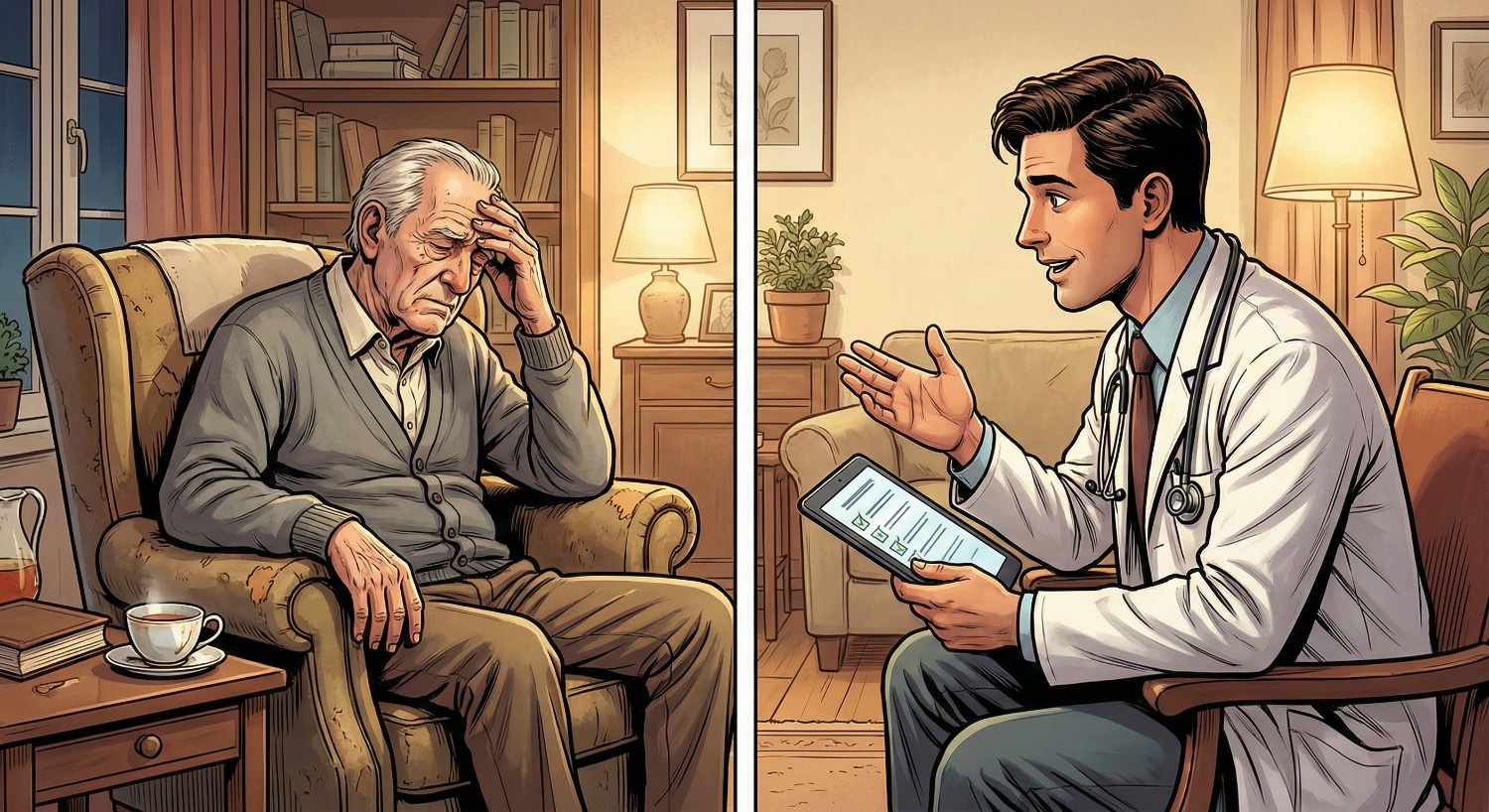
Feeling tired more often as you get older is a common experience, but persistent and overwhelming fatigue is not a normal part of aging. If you are an elderly male feels tired all the time or are caring for an elderly parent tired all the time, you are right to seek answers. This guide explores the most common reasons for fatigue after 70, addressing the question “why am I so tired at 70” based on insights from medical experts.
Underlying Medical Conditions: The Usual Suspects
Often, persistent fatigue is the body’s way of signaling that something else is going on. Doctors emphasize that a thorough check-up is the most important first step, as they can screen for several common conditions known to drain energy reserves in older adults.
Heart and Lung Issues
Your heart and lungs work together to deliver oxygen-rich blood to your entire body. When they aren’t functioning optimally, your body has to work much harder, leading to profound fatigue.
- Congestive Heart Failure (CHF): This doesn’t mean the heart has stopped, but rather that it isn’t pumping as efficiently as it should. This can cause fluid to back up in the lungs and other tissues, leading to shortness of breath and exhaustion.
- Chronic Obstructive Pulmonary Disease (COPD): Conditions like emphysema and chronic bronchitis fall under this category. They make it difficult to breathe, meaning your body struggles to get enough oxygen, which is a primary cause of low energy.
Anemia
Anemia is a condition where you lack enough healthy red blood cells to carry adequate oxygen to your body’s tissues. The most common symptom is fatigue. In adults over 70, it’s often caused by:
- Iron Deficiency: This can result from a diet low in iron or from slow, chronic blood loss, such as from an ulcer.
- Vitamin B12 Deficiency: As we age, our ability to absorb vitamin B12 from food can decrease. This vitamin is crucial for making red blood cells and maintaining nerve health.
Thyroid Disorders
The thyroid is a small gland in your neck that controls your metabolism. If it’s not working correctly, it can have a huge impact on your energy.
- Hypothyroidism (Underactive Thyroid): This is a very common cause of fatigue in older adults. When your thyroid doesn’t produce enough hormones, your body’s processes slow down, making you feel sluggish, cold, and tired. A simple blood test can diagnose this condition.
Diabetes
Uncontrolled or undiagnosed Type 2 diabetes means your body isn’t using sugar (glucose) for energy properly. When sugar stays in your bloodstream instead of entering your cells, your cells are starved for fuel. This leads to significant fatigue, increased thirst, and frequent urination.
Sleep Apnea
This is a serious sleep disorder where breathing repeatedly stops and starts during the night. These pauses can happen hundreds of times, jolting you out of deep sleep without you even realizing it. The result is waking up feeling unrefreshed and experiencing severe daytime sleepiness, no matter how many hours you were in bed. Loud snoring is a common sign.
The Impact of Medications
People over 70 are often taking multiple medications for various conditions, a situation known as polypharmacy. While these drugs can be life-saving, they can also interact with each other or have side effects, and fatigue is one of the most common ones.
It’s crucial to review all your medications, including over-the-counter drugs and supplements, with your doctor or pharmacist. Some common culprits for causing drowsiness and fatigue include:
- Beta-blockers: Used for high blood pressure and heart conditions (e.g., Metoprolol, Atenolol).
- Diuretics: Often called “water pills,” used for blood pressure and swelling.
- Antihistamines: Found in many allergy and cold remedies (e.g., Benadryl).
- Certain Antidepressants and Anti-Anxiety Medications: While they help mood, some can be sedating.
- Pain Relievers: Both prescription opioids and some over-the-counter options can cause drowsiness.
Never stop taking a prescribed medication without talking to your doctor, but do ask if fatigue could be a side effect and if alternative options are available.
Lifestyle, Diet, and Emotional Well-being
Not all fatigue is caused by a disease or medication. Sometimes, our daily habits and emotional state are the primary drivers of low energy.
Nutritional Gaps and Dehydration
What you eat and drink has a direct effect on your energy. As we age, our appetite and sense of thirst can diminish, making it easy to fall short on essential nutrients and fluids.
- Dehydration: Even mild dehydration can cause you to feel tired and sluggish. It’s important to sip water and other fluids throughout the day, even if you don’t feel thirsty.
- Poor Nutrition: A diet heavy in processed foods and sugar can cause energy crashes. Focus on a balanced diet with lean protein, whole grains, fruits, and vegetables to provide a steady supply of fuel. Deficiencies in vitamins like B12 and Vitamin D are also common energy-sappers.
The Paradox of Inactivity
It might sound backward, but not moving enough can make you more tired. Regular, gentle physical activity, like walking, swimming, or chair yoga, boosts circulation and improves your sleep quality. It strengthens your heart and muscles, making everyday tasks less tiring over time. The key is to start slow and choose an activity you enjoy.
Mental and Emotional Health
The mind and body are deeply connected. Emotional struggles can manifest as profound physical exhaustion.
- Depression: Fatigue is a hallmark symptom of depression. It’s more than just sadness; it’s a medical condition that can drain your motivation and energy.
- Anxiety and Stress: Constant worry keeps your body in a state of high alert, which is mentally and physically exhausting.
- Grief and Social Isolation: The emotional toll of losing loved ones or feeling isolated can be incredibly draining.
Frequently Asked Questions
How can I tell the difference between normal tiredness and serious fatigue? Normal tiredness is usually related to a specific activity and improves with rest. You might feel tired after a busy day of errands or playing with grandchildren. Fatigue, on the other hand, is a persistent, whole-body exhaustion that doesn’t get better with rest. It makes it difficult to start or complete daily tasks. If you feel this way most days, it’s time to see a doctor.
What should I tell my doctor about my fatigue? Be specific. Before your appointment, keep a simple log for a week. Note when you feel most tired, how it affects your activities, how well you’re sleeping, and what you’re eating. Bring a complete list of all your medications, vitamins, and supplements. The more detailed information you provide, the better your doctor can help you.
Can changing my diet really improve my energy levels? Absolutely. Focusing on a balanced diet can have a significant impact. Try to reduce sugary snacks and refined carbohydrates that cause energy spikes and crashes. Instead, opt for complex carbs like oatmeal and whole-wheat bread, lean proteins like chicken and beans, and healthy fats from nuts and avocados. Staying well-hydrated is also one of the simplest and most effective ways to boost energy.
Conclusion
Understanding why the elderly are tired all the time requires looking at the whole picture—from medical conditions like anemia and heart issues to medication side effects and lifestyle factors. If you are asking “why am I so tired at 70,” know that you don’t have to accept exhaustion as a new normal. By consulting with a doctor to review your health, medications, and habits, you can often identify the root cause and reclaim your vitality.