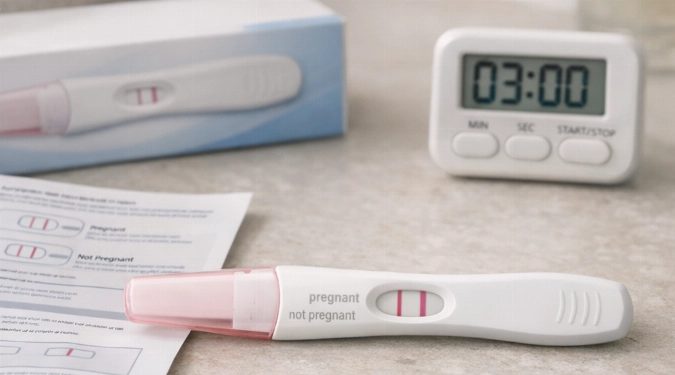
Pregnancy tests can feel simple on the surface, but timing, test type, and correct use make a major difference in how reliable your result is. This guide explains how pregnancy tests detect hCG, compares common options (line tests, digital tests, early detection tests, and clinic blood tests), and clarifies what “accuracy” usually means on packaging. You’ll also get practical, step-by-step tips to avoid common mistakes—like reading results too late, testing with diluted urine, or testing before implantation—plus clear answers to frequent questions such as faint lines, late periods with negative tests, and medication effects.
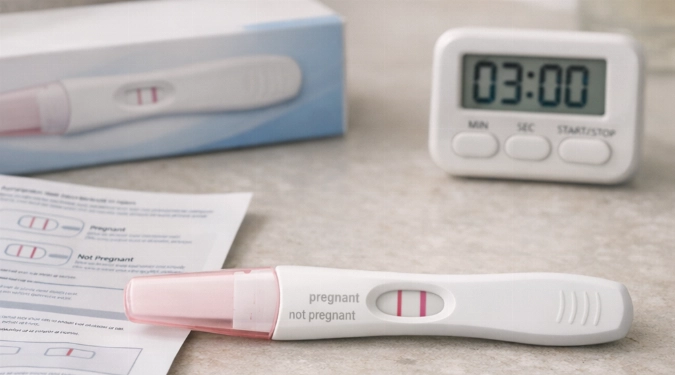
Seeing a faint line (or no line at all) can bring up a lot at once—hope, worry, urgency, relief. This guide breaks down pregnancy tests by type, explains what “accuracy” really means, and shares practical, calm usage tips so you can get clearer results and know what to do next.
How Pregnancy Tests Work
Most pregnancy tests look for the hormone hCG (human chorionic gonadotropin) in urine. hCG typically rises after implantation, which often happens several days after ovulation. That timing is why testing too early can produce a negative result even if pregnancy has started—there may simply not be enough hCG to detect yet.
Results also depend on how concentrated your urine is and how you follow timing instructions. A test’s “early” sensitivity may detect lower hCG levels, but it can’t detect what isn’t there yet—so timing still matters.
Types Of Pregnancy Tests
Understanding your options makes it easier to match the test to your timeline and preferences.
Line Tests
This classic Home Pregnancy Test shows one or two lines in a window. It’s widely available and straightforward, but faint lines can be confusing, especially if read outside the recommended time window.
Digital Tests
A Digital Pregnancy Test typically displays words such as “Pregnant” or “Not Pregnant,” which can reduce guesswork. Some digital versions also estimate weeks since conception, but results still rely on the same hCG detection principles.
Early Detection Tests
An Early Pregnancy Test is designed to detect lower levels of hCG than standard tests. These can be helpful if you’re testing before a missed period, but the tradeoff is a higher chance of a false negative if implantation hasn’t occurred yet or hCG is rising more slowly.
Blood Tests
Clinics can run blood tests that detect hCG sooner than many urine tests and can measure the amount. These are useful when timing is uncertain, symptoms are complex, or a clinician needs more precise information.
What “Accuracy” Really Means
When a box claims high accuracy, it often refers to performance from the day of a missed period when directions are followed exactly. An Accurate Pregnancy Test is most likely when you test at the right time, use the sample correctly, and read the result within the instructed window.
Common reasons results may be misleading include testing too early, diluted urine, misreading evaporation lines, using an expired test, or not waiting the full development time. Certain fertility treatments containing hCG may also affect results.
Helpful Usage Tips For Clearer Results
- Time it well: If possible, test on or after the day your period is due. If testing early, consider repeating in two days if the result is negative and your period hasn’t started.
- Use concentrated urine: Many people get the clearest results with first-morning urine, especially early on.
- Follow the clock, not your instincts: Set a timer for the exact read time, and ignore results that appear after the allowed window.
- Check the kit details: A Pregnancy Test Kit may include multiple tests, a cup, or different formats. Use only the components intended for that specific test.
- Store correctly: Heat, humidity, and expiration can reduce reliability. Keep tests sealed until use.
Choosing The Right Test For Your Situation
If you’re testing early, prioritize sensitivity and plan for a repeat test. If you want less ambiguity, digital formats may feel calmer. If your cycle is irregular or you’re unsure when ovulation happened, waiting a few extra days can improve clarity more than switching brands.
If you’ve been searching for a Pregnancy Test Near Me, consider practical factors that affect usability: whether you prefer digital wording vs. lines, whether you want a multi-pack for repeat testing, and whether you can test at a time when urine is more concentrated.
Comparison Table: Common Test Options
| Type | What It’s Best For | Common Drawback |
|---|---|---|
| Line Urine Test | Simple, widely available, good after a missed period | Faint lines and evaporation lines can be misread |
| Digital Urine Test | Clear wording and reduced interpretation stress | Can still be negative early; may cost more than line tests |
| Early Detection Urine Test | Testing before a missed period with a plan to retest | Higher chance of false negatives if implantation is later |
| Blood Test (Clinic) | Earlier detection and measured hCG levels | Requires a visit and results may take time |
FAQ
How Soon Can I Take A Pregnancy Test?
Many urine tests work best from the first day of a missed period. Some early detection tests may pick up pregnancy earlier, but a negative result before a missed period may simply mean hCG hasn’t risen enough yet. Retesting after about two days can be useful if your period still hasn’t started.
Why Is My Test Negative But My Period Is Late?
Late ovulation, stress, illness, travel, and cycle variation can shift your period. Testing too early or with diluted urine can also cause a false negative. If your period doesn’t start and repeat tests stay negative, a clinician can help sort out timing and next steps.
What Does A Faint Line Mean?
A faint line within the instructed read time can mean low but detectable hCG, which may happen early in pregnancy. Lines that appear after the time window are more likely to be evaporation lines. Repeating the test in a day or two can often clarify.
Can Medications Affect Results?
Most medications don’t change urine pregnancy tests. Fertility treatments that contain hCG may cause a positive result for a time. If you’re unsure, checking the medication label or asking a pharmacist or clinician can help.
Conclusion
Pregnancy tests are most useful when you understand the type you’re using, what “accuracy” depends on, and how timing affects hCG detection. Match the test to your timeline, follow the instructions closely, and consider repeating the test if you tested early or your period remains late. If results are confusing or symptoms feel urgent, a clinician can offer more definitive testing and guidance.
Disclaimer: The information provided in this article is for educational and informational purposes only. It does not constitute professional advice. Readers should conduct their own research and consult with qualified professionals before making any decisions.