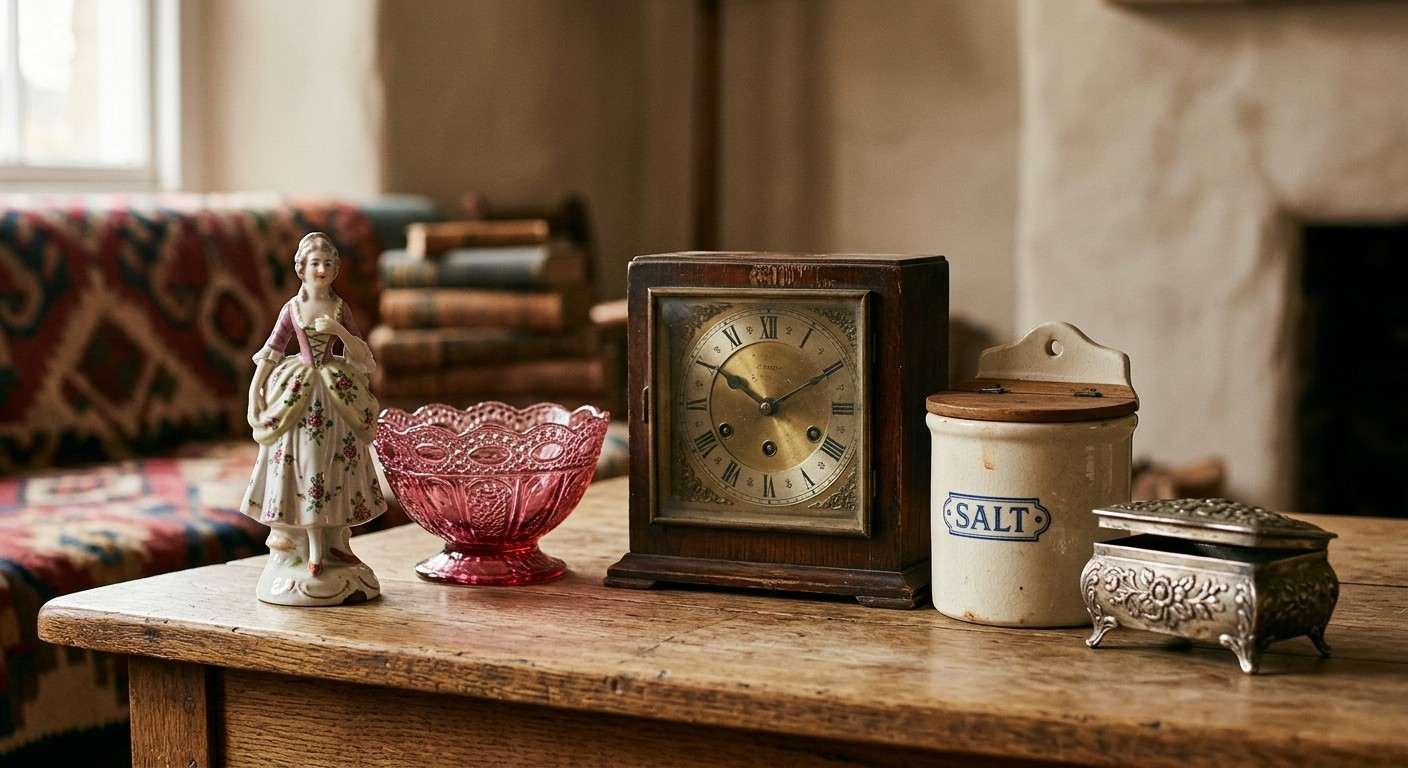
That dusty shelf in your living room could be concealing more than old memories. Plenty of everyday household items from decades ago have gradually turned into desirable collectibles, and some can bring in hundreds or even thousands of dollars at auction. Before donating or throwing anything away, it helps to know which vintage knick-knacks are attracting attention in the collectibles market today.

Ordinary objects that once had straightforward household uses can become culturally important as the years go by. With each passing generation, the things that once occupied kitchens, mantels, and china cabinets can gain a different significance — along with increased monetary value. Whether you inherited a box of old trinkets or found something at a yard sale, knowing why certain pieces appeal to collectors can help you make better choices about what you own.
Vintage Figurines and Decorative Pieces
Porcelain and ceramic figurines made by mid-century manufacturers remain some of the more consistently valuable household collectibles in the United States. Companies such as Hummel, Lladró, and Royal Doulton created limited runs of hand-painted figurines that collectors actively seek today. Condition matters enormously in this category — chips, crazing, and repairs can substantially lower an item’s value. Even smaller figurines that remain in excellent condition may sell for $50 to several hundred dollars, while rarer editions can reach four figures. Looking at the maker’s marks on the bottom is the first way to determine whether a figurine may have collector appeal.
Old Kitchen and Dining Accessories
Collectors have developed considerable interest in vintage kitchen and dining accessories, especially pieces dating from the 1920s through the 1960s. Depression-era glassware in shades such as pink, green, and amber is particularly desirable, along with early Fire-King and Pyrex featuring original patterns. Cast iron cookware made by brands such as Griswold and Wagner also attracts strong resale interest. Vintage salt and pepper shaker sets, butter dishes, and enameled canisters can likewise appeal to buyers when they are well preserved and have distinctive designs. These objects combine nostalgic charm with practical usefulness, giving them appeal among a wider group of collectors.
Vintage Clocks and Small Timepieces
Owners often overlook small mantel clocks, carriage clocks, and novelty timepieces dating from the late 19th and early 20th centuries. American companies such as Seth Thomas and Ansonia made affordable shelf clocks that are now regarded as antiques, while working examples that retain their original condition can sell for $100 to $500 or more, depending on style and rarity. Novelty clocks designed in the shapes of animals, buildings, or figures can generate especially strong interest. A clock does not necessarily need to be working to have collectible appeal, since the condition of its case and dial plays a major role in determining its value.
Factors That Can Affect Collectible Value
A number of important factors help determine whether a vintage household object has meaningful value or is simply old. Rarity can make a major difference — items produced in limited quantities or distributed only in certain regions often have fewer surviving examples. Provenance, or the documented history of an object, may greatly raise its value when ownership by a notable individual or a link to a historical event can be verified. Brand recognition is another consideration because products from established manufacturers often have active collector communities and dependable pricing information. Original packaging, labels, and accompanying documentation can also multiply an item’s value substantially when compared with the same piece lacking those materials.
Tips for Caring for Vintage Collectibles
Taking proper care of vintage pieces can protect their condition and preserve their value over the years. Harsh chemical cleaners should be avoided on ceramics, glass, and painted surfaces because they may remove original finishes or create permanent damage. Keep collectibles out of direct sunlight to reduce fading, and wrap fragile objects in acid-free tissue paper for storage instead of newspaper, which can transfer ink and lead to yellowing. When dealing with clocks and mechanical objects, resist the temptation to make DIY repairs — consulting a qualified horologist or antique restorer before taking action is worthwhile. Keeping collectibles in a stable setting with controlled humidity can also reduce the risk of cracking, warping, and deterioration over time.
Vintage household objects have a unique way of connecting personal history with wider cultural value. Whether an item ultimately proves to be worth fifty dollars or five thousand, learning what you own and how to properly care for it can help preserve both its story — and its condition — for years to come.