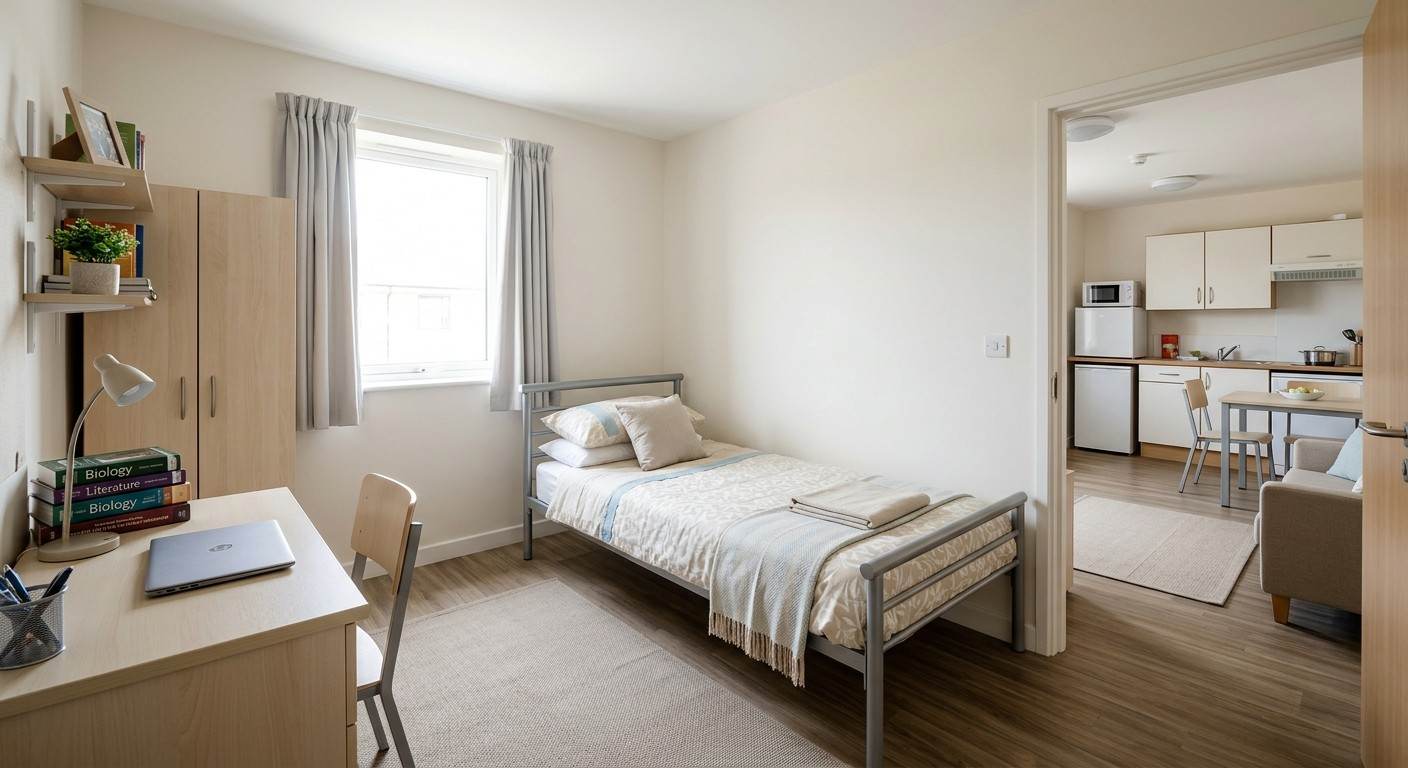
Securing affordable student housing can play an important role for students balancing tuition, transportation, food, and other regular expenses. Because housing prices can differ considerably between campuses and cities, looking into shared apartments, university residences, and other cost-conscious arrangements can help students find choices that suit their budgets and lifestyles.

Student accommodation is not simply about selecting the option with the lowest price while overlooking other considerations. Factors such as rent, utilities, transportation, location, lease conditions, furnishings, and shared amenities can all affect overall living expenses. Reviewing these details before choosing a property can help students find accommodation that provides a practical mix of cost, convenience, and comfort.
This article is intended for informational purposes and should not be treated as financial, legal, housing, or professional advice. Before choosing accommodation, students should check applicable local housing regulations, lease conditions, and eligibility requirements.
What Is Low-Rent Student Housing?
Low-rent student housing typically describes accommodation intended to keep living costs comparatively manageable for people studying at colleges, universities, or other educational institutions. Depending on where a student lives, these options can include shared apartments, residence halls, private rooms in larger houses, or purpose-built student accommodations.
What qualifies as “affordable” can vary substantially depending on the area. Although a property may have a lower monthly rent, it could come with shared amenities, a longer commute, or additional utility expenses. For this reason, it is useful to consider more than the listed rental price.
Types of Affordable Student Housing
Shared Apartments
One commonly used way to lower individual housing costs is to share an apartment with roommates. Expenses such as rent, utilities, internet, and some household costs can be split between multiple occupants, which may make a larger apartment more manageable for each person.
Before entering a shared apartment arrangement, students should clarify responsibilities for rent, deposits, cleaning, guests, and other household expectations before agreeing to the rental terms.
University-Managed Housing
Students looking for accommodation near their educational institution may also consider university or college residences. Depending on the institution and its location, these residences can provide rooms alongside shared kitchens, bathrooms, dining areas, study spaces, or other communal facilities.
Since prices, availability, eligibility requirements, and application processes can differ substantially, students should contact their institution directly for the most current details.
Co-Living and Private Rooms
Private rooms in shared homes and co-living properties provide another possible way to manage housing expenses. Certain arrangements may include furnishings, internet access, shared kitchens, or communal areas as part of the rental package.
While bundled amenities can make an arrangement more convenient, students should still examine the overall monthly expense and confirm exactly which services and facilities are included in the agreement.
Benefits of Budget-Friendly Student Housing
Selecting a more economical place to live can potentially allow students to allocate more of their overall budget toward education, transportation, food, books, and personal expenses. Sharing a home with roommates can also make it possible to divide certain daily expenses and household responsibilities.
The property’s location can matter as well. Paying somewhat more for housing close to campus could potentially lower transportation costs and commuting time, whereas a less expensive property located farther away might create additional travel expenses. Considering the full monthly budget can therefore make housing comparisons more useful.
How to Find Economical Student Living Options
Students can start researching accommodation through university housing offices, student accommodation services, local rental listings, and reputable housing platforms. Beginning the search earlier can give students additional time to evaluate properties and understand their various rental conditions.
Compare the Total Cost
Rather than looking only at the monthly rent, students should account for utilities, internet, transportation, deposits, furnishings, laundry, and other ongoing expenses. Creating a straightforward monthly budget can help make different housing arrangements easier to evaluate on comparable terms.
Check Housing Assistance
Housing assistance, scholarships, grants, or other financial support may be available through some universities, educational institutions, nonprofit organizations, and local programs for students who meet specific requirements. The availability of these resources can vary according to the country, institution, and individual circumstances.
When researching eligibility criteria, application deadlines, and program requirements, students should rely on official government or institutional resources.
Making a Practical Housing Decision
The most affordable student housing option is not always the one with the lowest advertised rent. A practical choice should also suit the student’s location, schedule, safety considerations, lease conditions, and anticipated living expenses.
Reviewing shared apartments, university-managed residences, private rooms, and co-living arrangements can give students a clearer picture of the options available where they live. Evaluating the complete cost along with the rental terms can help students make a more informed choice while staying within their budget.
In the end, realistic budgeting and careful research can make looking for student accommodation easier to manage. Housing choices can vary from one location to another, but comparing available alternatives can help students identify a living arrangement that fits their educational plans as well as their everyday financial needs.